01 / The narrative
Policy decisions are reshaping Canada without open debate or clear cost checks.
How Can Billions in Public Relations
Not Pollute an Honest Debate?
Powerful groups spend billions of dollars on public messaging. These campaigns are not meant to explain the full truth. They are meant to protect special interests.
Instead of fixing real problems, these campaigns flip the story upside down. They shift the blame onto critics and hide the complex realities, but this is cheaper than real reform. In today's attention based world, the first story people hear creates strong opinions, even when the truth requires those opinions to be challenged.
We exist to shake up the status quo of this overly politicized issue. We push back against teams of communication experts, be them industry lobbyists, or those who claim that greenwashed political controls will bring prosperity and a cleaner future. Giving special industry perks is destructive, but so is cutting major parts of our economy, and spending far more than we collect in taxes, to achieve superficial changes. Both are forms of greenwashing. Both must be challenged and overcome to form a more sustainable and prosperous future.
02 / The cost
Trillions to be added to the National Debt Without A Meaningful Debate
- The federal estimate for Net Zero by 2050, at $125–140 billion a year.
- $3.9 trillion
- Spent by federal and provincial governments on climate programs over the last decade.
- $158 billion
- What that spending works out to for each Canadian household so far.
- $10,000
- Per household in lost GDP if these policies continue for 20 to 30 years.
- $100,000+
Canadians deserve an honest debate before this future is locked in.
In 2022, the Canadian federal government estimated that reaching Net Zero by 2050 would cost $125 to $140 billion every year. Over 28 years, that will add up to about $3.9 trillion. This is almost 10 times the amount of federal tax the government collected in 2025.
Over the last decade, our federal and provincial governments have spent at least $158 billion on climate programs. This works out to about $10,000 for each household. The spending is expected to continue over the next decades, and this total will grow.
These regulations and spending have pushed investment out of Canada, which has hurt our economy's Gross Domestic Product. Estimates put this GDP loss at about $4,000 per household for every year the economy is weaker. If these damaging policies continue for 20 to 30 years, the cost will be over $100,000 per household. Slowing our economic growth will not help pay for the trillions the government expects for the transition.
We should all be concerned that these costs will place a burden on future generations by diverting funds from essential services like health care, education, and infrastructure, which are priorities Canadians care about.
03 / The stakes
Their Goal Is Clear
Special interests want to politicize our future, and Canadians will pay the price.
We'll Fight Back

01
Open debate
Restoring open discussion and honest debate.
02
Canadians first
Putting Canadian public interests first when they conflict with foreign or corporate ones.

03
Honest costs
Clear cost-benefit analysis, so policies don't drain core funding or put our future at risk.
04 / The events
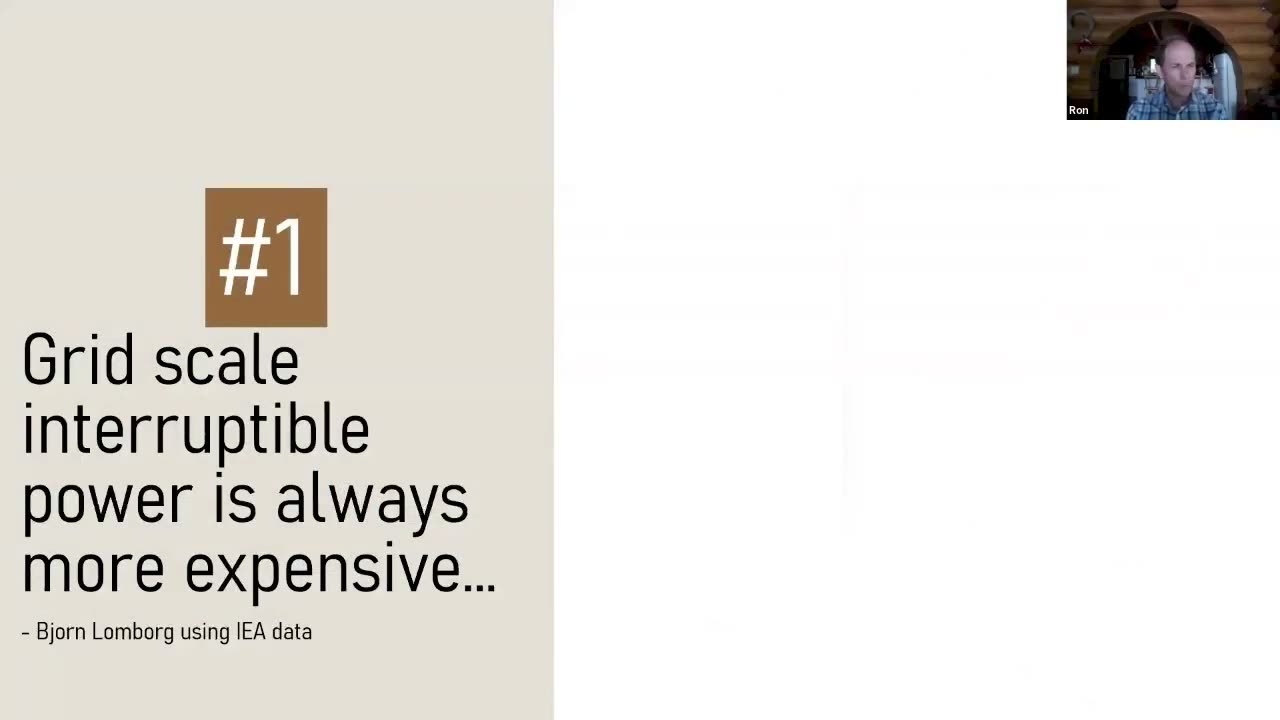
Watch the talks from our June events
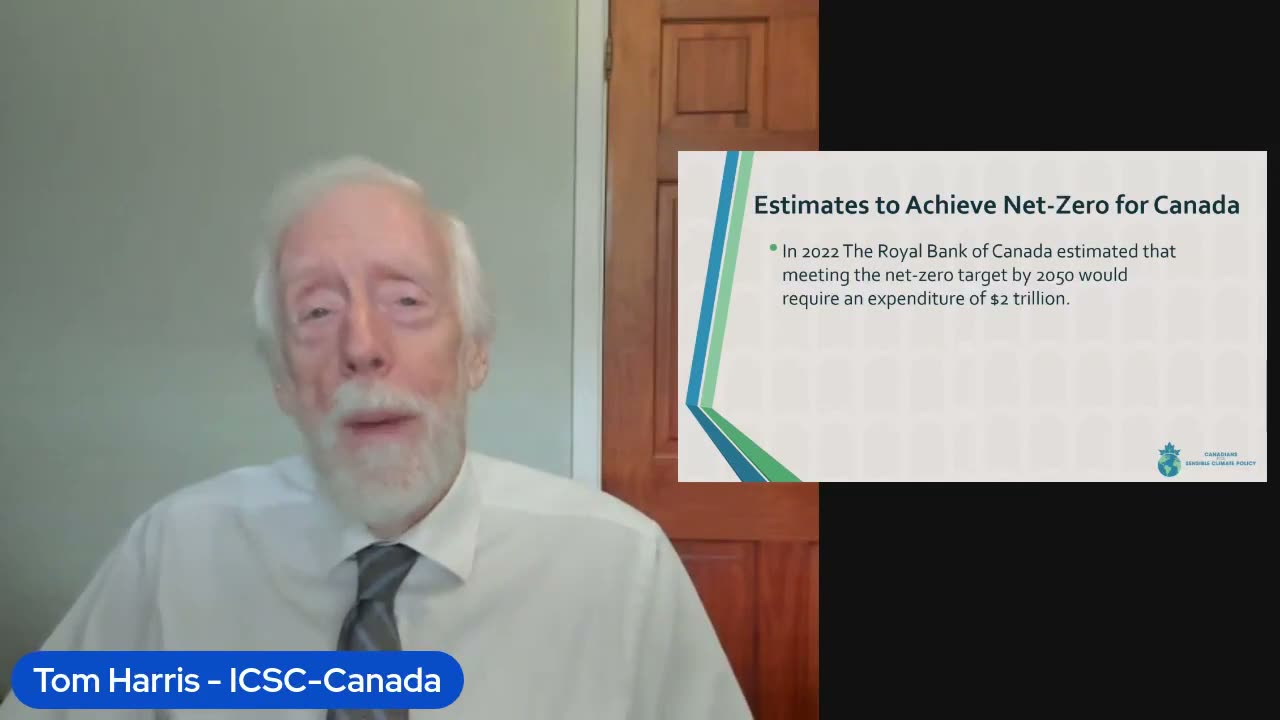
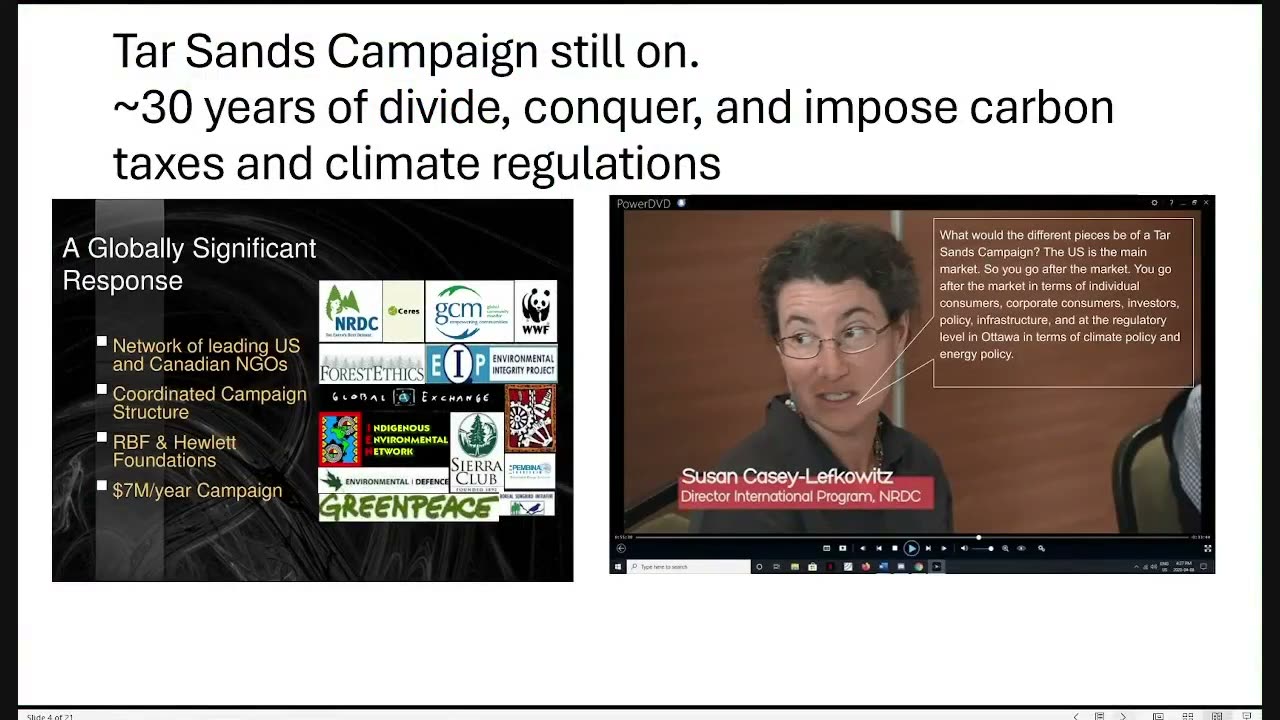
In June 2026, scientists, economists, and allies met to test the case for Net Zero against the evidence. Every talk is online, edited so you can watch only what interests you.
05 / The library
Check the evidence for yourself
Articles, books, podcasts, videos, data and more, gathered in one library so you can weigh the arguments on Canadian climate and energy policy and make up your own mind.
- ArticlesAnalysis of the economics, science and politics of climate policy.
- PodcastsShows on energy, climate science and Canadian politics.
- BooksFree and paid books with in-depth research and other viewpoints.
- VideosDocumentaries, lectures and interviews.
- OrganizationsResearch institutes and think tanks working on energy policy.
- Data & ChartsTemperature, emissions, energy cost and economic data.
- Social MediaAccounts worth following on X, YouTube, Substack and more.
06 / The dialogue
Creating Dialogue & Debate
Thanks to our pathfinders:
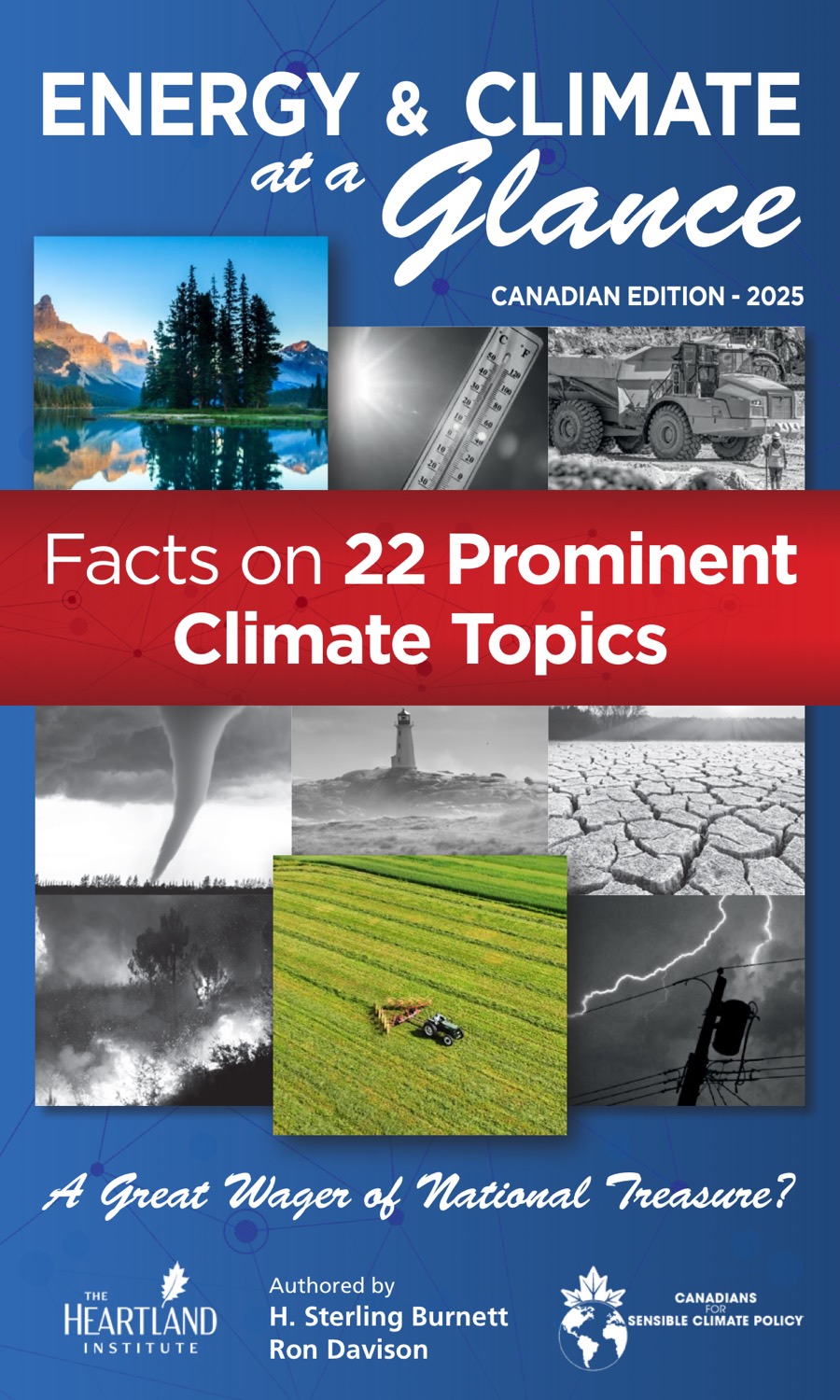
Ron Davison, H. Sterling Burnett, Tom Harris, Robert Lyman, Paul MacRae, Andrew Bonvicini, and John Zacharias. We've published “Energy & Climate at a Glance: Facts on 22 Prominent Climate Topics”, an 86-page book exploring often-overlooked facts about common climate issues.
Even if you don't agree with everything we say, we are here to spark real conversation, and highlight what matters. When we learn together, we grow stronger together.
Canada deserves better, and that means standing up to the powerful special interests holding us back. Real change starts with everyday people who care.
When you join us, your voice matters. Your pushback, ideas, and fresh approaches are not just welcome, they help drive the change we all need.
07 / The reform
Non-Partisan Reform
We don't align ourselves to any single party's worldview.
No Canadian party has yet delivered a truly sensible climate and energy policy. With the NDP as a partial exception, we remain hopeful that all major parties can embrace policies rooted in open dialogue, Canadian sovereignty, and shared prosperity.
Any proposal that reflects those values deserves support.
- 01
Open dialogue
Every policy should hold up in a public debate, including with people who disagree.
- 02
Multi-party adoption
Sensible policy should be something any party can adopt, so we work with all of them.
- 03
Evidence-based policy
Costs, benefits, and data first. Decisions after.
Connect with more Canadians to advocate for sensible climate policies.